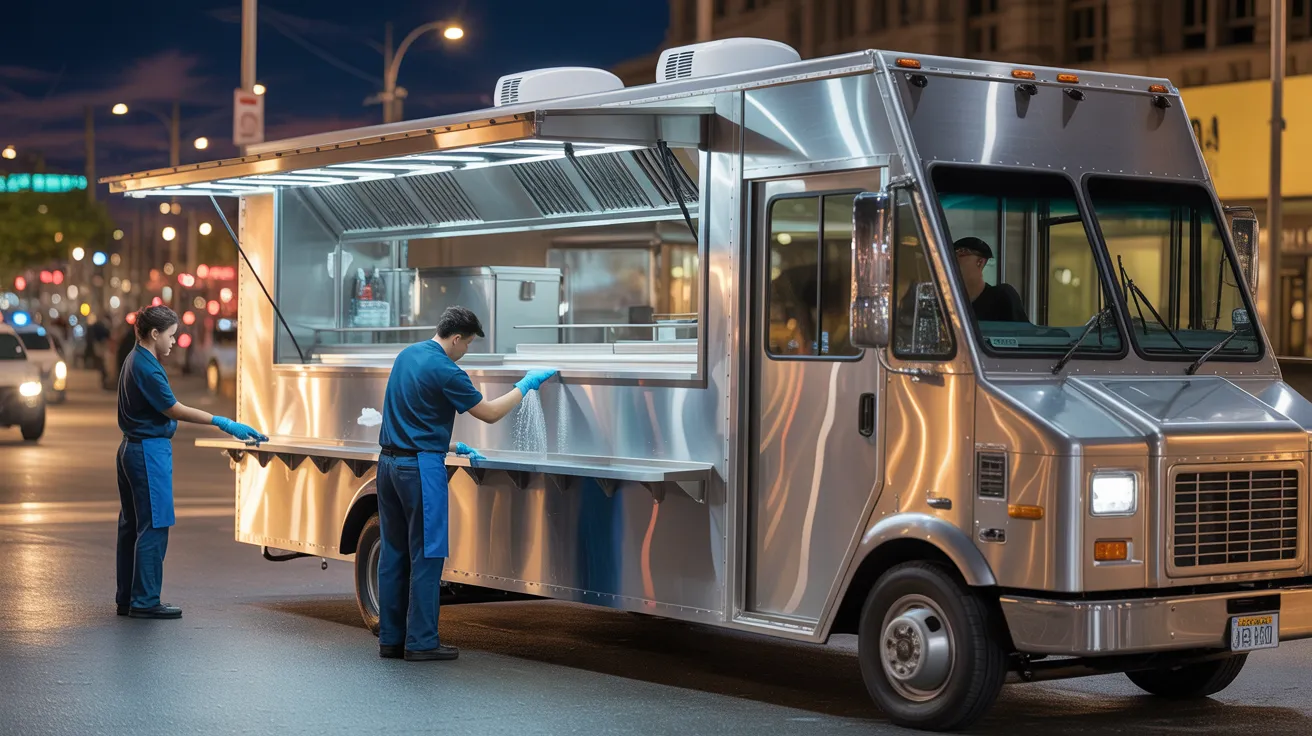
Food hygiene and professional sanitation experts in Brampton assist you in maintaining restaurants, commissaries, bakeries, warehouses, and mobile food operations in compliance. They sanitize frequently touched areas, food preparation zones, equipment, floors, drains, restrooms, and prep areas with approved chemicals, proper dilution, and documented exposure durations.
Essential Summary
- Brampton's food safety cleaning technicians maintain restaurants, grocery departments, commissaries, warehouses, bakeries, schools, mobile vendors, and allergen-sensitive operations.
- They clean frequently contacted areas, food-contact equipment, kitchens, floors, drains, restrooms, and storage areas using sectional methods to eliminate cross-contamination.
- Documentation of completion through checks, assessments, and remedial documentation confirms certified vendors have confirmed proper chemical concentration, alignment, and contact time.
- Hazard, production rate, transitions, incidents, and regulations ought to direct maintenance plans, with routine, periodic, and annual tasks allocated by area.
- Coverage, coded implements, hazard analysis knowledge, public-health expertise, WHMIS training, endorsements, and compliance-ready sanitation paperwork are essential supplier characteristics.
Food Safety Cleaning Requirements for Brampton Operations
Brampton facilities that handle, store, prepare, package, or serve food require food sanitation. Implement it if your establishment is falls under public health inspections, food codes, or HACCP requirements. The rule covers dining establishments, employee cafes, food distributors, market sections, meat shops, fish counters, local shops, and commercial kitchens.
Adherent sanitation standards continues to be needed in distribution centers, manufacturing facilities, cold storage areas, bakery retailers, educational meal programs, banquet venues, and meal delivery services. Mobile and temporary operations apply similarly, including catering vehicles, festival vendors, and pop-up establishments. Your venue needs established hygiene documentation when your team handle raw materials, divide prepared dishes, warm meals, or keep allergens stored. In Brampton, hygiene stays voluntary; it represents lawful, operational, and customer protection standards.
What Do Brampton Cleaning Professionals Handle?
Your facility requires professional cleaners who sanitize all high-touch areas, kitchens, all floor types, and toilet facilities to maintain food safety compliance and public health standards. These zones receive attention due to their elevated cross-contamination potential, hazardous walking conditions, and breaches of sanitation codes.
When you understand what they clean, you can verify that your facility's cleaning scope meets operational and regulatory requirements.
Disinfecting High-Touch Areas
establish how regularly each zone is disinfected
Maintaining a unidirectional process, changing cleaning materials, and dividing disinfection materials by zone ensures that cleaning remains measurable, auditable, and inspection-ready consistently
Cooking Zones, Walking Surfaces, and Restroom Environments
Brampton cleaning services zero in on kitchens, floors, and restrooms as each zone involves different sanitation, accident, and public health concerns. In industrial kitchens, you need grease removal from cooking stations, appliance surfaces, drain systems, preparation areas, and backsplashes to minimize bacterial growth and pest activity.
Floor care that is recorded should also be anticipated. Technicians clean and remove buildup from tile grout, ceramic surfaces, and vinyl floors, then apply suitable dehydration methods so you can limit falls and meet regulatory standards. They also handle entry points where dampness and dirt enter the building.
Restroom sanitation requires disinfecting touch areas, bathroom equipment, stall barriers, supply stations, and bins, replacing items and managing smells. They also maintain restaurant cleaning supply rooms where product storage, sink cleanliness, and drain systems impact daily sanitation standards and worker protection.
Food Safety Cleaning Significance for Brampton Businesses
To comply with regulatory mandates and pass inspections, Brampton establishments must maintain appropriate cleaning protocols. You also reduce bacterial spread through proper cleaning of food-preparation surfaces, appliances, and frequently-touched items. Most importantly, you safeguard community wellness by reducing the chance of food poisoning in your establishment.
Regulatory Code Requirements
Food companies in Brampton face rigorous sanitary regulations, making food safety cleaning essential to satisfying health code requirements, protecting patrons, and eliminating enforcement action. You must maintain hygienic food handling zones, documented cleaning schedules, appropriate product handling, and auditable operational standards that align with municipal and provincial inspection expectations.
Should your cleaning standards deteriorate, you expose yourself to infractions, remedial directives, public perception issues, and operational suspension during subsequent audits or enforcement actions.
Contamination Prevention
Meeting regulatory requirements also depends on your ability to prevent cross-contamination during routine food preparation and sanitation. You must separate raw ingredients from ready-to-eat foods, clean work areas after each use, and store chemicals away from food-contact items. Clear procedures reduce transfer risks and support consistent compliance during inspections.
You might establish allergen separation to prevent priority allergens from contacting shared surfaces, containers, or equipment. Use dedicated cutting boards, color-coded tools, and rigorous tool identification so team members avoid blending products during preparation or service. Enforce washing hands following uncooked meat, fish, egg products, or allergens. Change wiping cloths regularly, and test disinfectant concentration using strips. When you train staff to follow these controls every shift, you create a cleaner, safer operation that meets Brampton's food safety expectations daily.
Public Health Safeguarding
If food safety cleaning declines, you don't merely risk a failed inspection—you amplify the risk of foodborne illness affecting customers, staff, and the broader Brampton area. You also undermine your responsibility in protecting public health, especially in high-traffic food premises where pathogens travel quickly through surfaces, equipment, and touchpoints.
You must establish cleaning procedures that remove contaminants, sanitize properly, and confirm effectiveness. This involves adhering to exposure times, utilizing approved disinfectants, logging schedules, and instructing staff to satisfy regulatory standards. These controls promote disease prevention by limiting pathogens before reaching food or hands. Across Brampton, effective sanitation protects at-risk populations, reduces disease potential, and demonstrates accountability. When you follow standards, you exceed regulations—you meaningfully reduce risk and enable safer food service throughout the area.
How Can Cleaning Practices Ensure Food Safety Compliance?
Maintaining comprehensive cleaning schedules supports food safety compliance by lowering contamination exposure, controlling pathogen growth, and keeping your facility in accordance with sanitation requirements under HACCP-based programs and public health regulations. You verify that product-contact areas stay visibly clean and microbiologically controlled, supporting documented preventive controls and inspection readiness.
Effective cleaning also improves allergen mitigation by clearing residues that can provoke undeclared allergen exposure. by clearing residues that can lead to undeclared allergen exposure.
When Ought You Arrange Commercial Cleaning?
regular routine cleaning
conducting promotions, catering, or public functions
Selecting the Right Brampton Cleaning Experts: Key Considerations
Begin by evaluating providers based on sanitation compliance standards—not solely on budget. You should confirm that each organization comprehends CFIA, public health, and HACCP-based requirements applicable to your facility. Request insurance certificates, WHMIS compliance, staff training documentation, and oversight procedures. Assess whether technicians recognize cross-contamination hazards, chemical handling protocols, and verifiable sanitation records.
You should further examine service consistency and accountability. Request references from food facilities in Brampton, then review response times, corrective action plans, and communication protocols. Validate the company supports supplier audits and can present inspection-ready documentation to regulators or external parties. Confirm equipment is maintained, colour-coded tools are used appropriately, and facility-specific risks are recognized. A qualified provider ensures regulatory compliance, product quality, and your brand reputation.
What's included in a Food Safety Cleaning Plan?
Develop a written plan that makes clear every sanitation responsibility, standard, and task prior to production start. You should outline cleaning schedules, authorized chemicals, concentration levels, contact duration, implements, and validation techniques for each location, surface, and apparatus. Include pre-operational inspections, corrective actions, and employee training requirements.
Your plan should also focus on cross-contamination controls, waste handling, pest-prevention measures, and documented schedules for rest areas, drains, flooring, and food-contact surfaces. Describe how you'll keep raw and ready-to-eat processes separate, facilitate ingredient tracking, and maintain accurate allergen labeling through validated cleaning between product changes. You should set accountability, keep signed records, and assess results against regulatory standards, HACCP controls, and customer requirements. When gaps appear, modify procedures immediately and instruct staff.
Regular Asked Inquiries
Are sanitation providers offered for nighttime operations in Brampton facilities?
Yes, you can book sanitation coverage to accommodate nighttime operations in Brampton facilities. You'll organize overnight sanitation around production schedules, access requirements, and personnel needs. Providers generally create overnight logistics to reduce interruption, maintain standards, and record finished tasks. You should confirm arrival schedules, management, access procedures, and disposal procedures before starting service.
Do sanitation professionals offer emergency spill response solutions?
Yes, learn the facts you can expect Brampton cleaning experts who provide emergency spill response solutions. They manage hazardous materials, assess risks, contain contamination, and start rapid decontamination to reduce exposure and prevent business interruption. You should confirm response times, professional credentials, PPE protocols, and waste management. If your facility must meet regulatory requirements, select a service that records events, follows compliant standards, and supports audit readiness.
Do green disinfectants perform safely on surfaces contacting food?
In essence, green disinfectants remain safe for food-contact surfaces provided you choose solutions certified for food use that satisfy regulatory standards. Validate exposure duration, mixing proportions, and rinsing needs prior to application. Natural-based solutions lower chemical burden, although you need demonstration of efficacy against harmful bacteria. To preserve surfaces without residue, implement precise manufacturer instructions and ensure the disinfectant adheres to relevant food safety standards.
Can cleaning plans be adjusted for production fluctuations?
Without question, maintenance plans adjust easily for production fluctuations. Revise timing, personnel, cleaning agents, and validation steps to correspond to seasonal workflows while preserving regulatory compliance. Lower equipment downtime by organizing sanitization around line changes, peak volumes, and equipment use patterns. Further modify SSOPs, employee training, and environmental testing to reflect temporary risks, emerging allergens, or increased soil loads. Periodic assessments maintain your plan effective.
Will professional cleaning services teach employees on hygiene best practices?
Absolutely, professional cleaning companies regularly deliver employee education on hygiene standards. Your staff gets training on proper chemical use, dwell times, contamination avoidance, equipment disassembly, and documentation. They typically align instruction with HACCP, GMP, and CFIA or local public health standards. Many also perform sanitation audits to verify compliance, pinpoint weaknesses, and reinforce corrective actions. This helps you maintain consistent procedures, pass inspections, and reduce food safety risks routinely.
Closing Remarks
Through working with Brampton food safety and commercial cleaning experts, you do far more than tidy—you ensure your facility for audits and your standards meet requirements. From production floors to kitchens, all clean areas and organized zones help prevent pest problems and avoid major losses. Through scheduling maintenance on suitable timelines and adhering to a comprehensive cleaning program, you ensure protection for employees, your patrons, and your standing. In a tightly controlled regulatory landscape, clean conditions cannot be considered optional—they represent good business practice.